Articles by "Europe"
Rāda ziņas ar etiķeti Europe. Rādīt visas ziņas
Travel Guide with beautiful photos and exciting descriptions of the most amazing and unique places in Baltic states and Europe.
Tower Bridge is one of the most famous landmarks in London and one of the most recognizable bridges in the world. It crosses the River Thames and was officially opened in 1894. The bridge is famous for its two impressive towers, built in the Victorian Gothic style. One of its most interesting features is that the middle sections can be raised to allow large ships to pass through. Visitors can walk across the high-level glass-floored walkway and enjoy spectacular views of London and the River Thames. Tower Bridge is especially beautiful at night when its towers and structures are illuminated. Today, it is both an important transport route and a popular tourist attraction, attracting millions of visitors every year.
Travel Guide with beautiful photos and exciting descriptions of the most amazing and unique places in Baltic states and Europe.
Charles Bridge is one of Prague’s most iconic viewpoints, offering beautiful views of the Vltava River, Prague Castle and the city’s historic skyline. Built between 1357 and 1402,
MAIN FACTS
LOCATION Prague, Czezh Republic
HEIGHT (ABSOLUTE) 200 M
HEIGHT (RELATIVE) 12 M
VIEW DISTANCE 0-10 KM
VIEW ANGLE 200 DEGREES
RATING (7,88/10)
the medieval stone bridge stretches approximately 516 metres across the river and is decorated with 30 statues and sculptural groups. The bridge deck stands around 13 metres above the Vltava River under normal water conditions, providing an elevated perspective of the riverbanks, nearby islands and passing boats. Its elevation is approximately 195–200 metres above sea level, while its relative height above the river is around 13 metres. From the bridge itself, the viewing distance is generally several kilometres, with the surrounding hills and Prague Castle forming a dramatic backdrop. For an even more expansive panorama, visitors can climb the Old Town Bridge Tower, whose viewing gallery offers a bird’s-eye view of the bridge, the river and Prague’s historic rooftops. The bridge is particularly atmospheric at sunrise and after dark, when its Gothic towers, Baroque statues and illuminated architecture create exceptional photographic opportunities.
 
Travel Guide with beautiful photos and exciting descriptions of the most amazing and unique places in Baltic states and Europe.
The rooftop terrace of the Arc de Triomphe offers one of the most impressive panoramic views of Paris, with the city's grand avenues radiating out from Place Charles de Gaulle.
MAIN FACTS
LOCATION Paris, France
HEIGHT (ABSOLUTE) 100 M
HEIGHT (RELATIVE) 50 M
VIEW DISTANCE 10-20 KM
VIEW ANGLE 360 DEGREES
RATING (9,15/10)
Standing approximately 50 metres above street level, the viewing platform provides a spectacular perspective along the Champs-Élysées, towards the Louvre and the modern skyscrapers of La Défense. The terrace also offers clear views of the Eiffel Tower, the white domes of Sacré-Cœur in Montmartre, the golden dome of Les Invalides and the distinctive rooftops of central Paris. The viewpoint is approximately 100 metres above sea level, depending on the elevation of the surrounding ground. From this height, the theoretical sea-level horizon lies about 36 kilometres away, although the actual viewing distance is limited by buildings, the urban landscape and atmospheric conditions. Particularly striking at sunset and after dark, the panorama reveals the geometric layout of Paris, with its illuminated boulevards creating a dramatic contrast against the city's historic architecture.
 
Travel Guide with beautiful photos and exciting descriptions of the most amazing and unique places in Baltic states and Europe.
Nordkette is one of the most spectacular mountain viewpoints in the Austrian Alps, rising directly above the city of Innsbruck. Accessible by cable car via the Hungerburg and Seegrube stations,
MAIN FACTS
LOCATION Innsbruck, Austria
HEIGHT (ABSOLUTE) 2256 M
HEIGHT (RELATIVE) 1700 M
VIEW DISTANCE >40 KM
VIEW ANGLE ~240 DEGREES
RATING (9,91/10)
the Nordkette mountain range offers breathtaking panoramic views of Innsbruck, the Inn Valley and the surrounding peaks of the Karwendel Alps. The main viewing area at Seegrube stands at approximately 1,905 metres above sea level, while the Hafelekar summit station, one of the highest easily accessible viewpoints, reaches around 2,256 metres. From Hafelekar, the relative elevation above Innsbruck's city centre is approximately 1,500 metres, creating a dramatic contrast between the urban landscape below and the rugged alpine terrain. On clear days, the panorama extends for many tens of kilometres across the Inn Valley and towards distant mountain ranges, with visibility depending on weather conditions and atmospheric clarity. The combination of steep limestone peaks, deep valleys and a city nestled among the mountains makes Nordkette an exceptional destination for landscape photography, particularly in clear morning light or when the surrounding summits rise above a layer of clouds.
 
Travel Guide with beautiful photos and exciting descriptions of the most amazing and unique places in Baltic states and Europe.
Jardin des Curiosités, also known as Jardin de Montréal or Belvédère Abbé-Larue, is a small panoramic garden perched on the slopes of Fourvière in Lyon. Located at approximately 232 metres
MAIN FACTS
LOCATION Lyon, France
HEIGHT (ABSOLUTE) 232 M
HEIGHT (RELATIVE) 65 M
VIEW DISTANCE >40 KM
VIEW ANGLE ~220 DEGREES
RATING (8,76/10)
above sea level, it offers a wide view across the city, with the Saône, Rhône, Presqu’île and the distinctive Lyon skyline spread out below. The viewpoint stands roughly 60–65 metres above the central parts of Lyon, creating an elevated perspective over the historic city. From this height, the geometric sea-level horizon is approximately 54 kilometres away, although the actual view is shaped by the surrounding hills and urban landscape. On exceptionally clear days, the panorama can extend far beyond Lyon towards the Alps, and the distant summit of Mont Blanc, more than 150 kilometres away, can sometimes be seen. The garden itself is quiet and intimate, with sculptural chairs, greenery and a terrace designed to encourage visitors to stop and contemplate the panorama. It is particularly attractive for photography around sunset, when the rooftops, rivers and western skyline are illuminated by warm evening light.
 
Travel Guide with beautiful photos and exciting descriptions of the most amazing and unique places in Baltic states and Europe.
One New Change is a rooftop viewpoint in the heart of the City of London, offering an impressive panorama of some of the capital’s most famous
MAIN FACTS
LOCATION London, UK
HEIGHT (ABSOLUTE) 50 M
HEIGHT (RELATIVE) 50 M
VIEW DISTANCE 0-10 KM
VIEW ANGLE ~220 DEGREES
RATING (7,99/10)
landmarks. Located on the rooftop of the One New Change shopping centre, the viewpoint provides particularly close views of St Paul’s Cathedral, with the City skyline stretching beyond it. The terrace is approximately 50 metres above street level, giving it a relative elevation of around 45–50 metres above the surrounding central London streets. From this height, the geometric sea-level horizon is roughly 25 kilometres away, although buildings and the relatively flat urban landscape determine the actual viewing distance. The viewpoint is especially interesting for photography because St Paul’s Cathedral dominates the foreground while landmarks such as The Shard, the London Eye and modern City skyscrapers can be seen in the wider panorama. Its combination of an elevated open-air terrace and a direct view towards St Paul’s makes One New Change one of the more distinctive urban viewpoints in central London.
 
Travel Guide with beautiful photos and exciting descriptions of the most amazing and unique places in Baltic states and Europe.
Ørnesvingen is one of the most spectacular viewpoints along Norway’s famous Geiranger–Trollstigen National Tourist Route. Located high above
MAIN FACTS
LOCATION Geirangerfjord, Norway
HEIGHT (ABSOLUTE) 620 M
HEIGHT (RELATIVE) 600 M
VIEW DISTANCE 10-20 KM
VIEW ANGLE ~240 DEGREES
RATING (9,15/10)
the village of Geiranger, the viewpoint offers a dramatic panorama of the Geirangerfjord, surrounded by steep mountains, waterfalls and lush green slopes. The viewing platform stands at approximately 620 metres above sea level, giving it a relative elevation of around 600 metres above the fjord at Geiranger. From this height, the landscape extends for many kilometres along the winding fjord, with the famous Seven Sisters waterfall visible on the opposite mountainside. On exceptionally clear days, the combination of the great viewing height and unobstructed fjord landscape creates a viewing distance of several tens of kilometres. The sharp hairpin bends of the Ørnevegen road are themselves an important part of the experience, making the viewpoint particularly impressive for landscape photography.
 
Travel Guide with beautiful photos and exciting descriptions of the most amazing and unique places in Baltic states and Europe.
Mirador de Gibralfaro is one of the most spectacular viewpoints in Málaga, offering a panoramic view over the historic city, the port and the Mediterranean Sea.
MAIN FACTS
LOCATION Malaga, Spain
HEIGHT (ABSOLUTE) 87 M
HEIGHT (RELATIVE) 80-120 M
VIEW DISTANCE 20-30 KM
VIEW ANGLE ~150 DEGREES
RATING (7,45/10)
Located on the slopes of Mount Gibralfaro, the viewpoint stands at approximately 87 metres above sea level, while the castle and summit ridge rise to around 130 metres. From here, the La Malagueta bullring, Málaga Park, the historic centre, the cathedral and the harbour form a striking urban panorama. Looking east, the coastline stretches along the Mediterranean towards the distant beaches and mountains. On a clear day, the theoretical sea-level horizon from an elevation of 130 metres is about 41 kilometres away, although the actual visible distance varies with terrain, atmospheric conditions and the direction of the view. The combination of elevated perspective, Mediterranean light and the densely packed historic city makes Gibralfaro particularly attractive for photography, especially around sunset.

 
Travel Guide with beautiful photos and exciting descriptions of the most amazing and unique places in Baltic states and Europe.
One of the most unusual geological formations in Lithuania is the so-called "Devil's Pit" - a substantial
MAIN FACTS
LOCATION Lithuania, Trakai district
DEPTH 40 metres
DIAMETER 200 M
RATING (8,53/10)
crater approximately 200 meters in diameter and 40 meters deep, whose origins remain a mystery to scientists. Some theories link its formation to the melting processes of Ice Age glaciers, while another hypothesis suggests it was caused by a meteorite impact. Regardless of its origin, this is a fascinating and distinctive site to visit—arguably even more visually impressive than the famous and much more tourist-visited Kaali meteorite crater in Saaremaa.
BUY PHOTOS OF DEVIL'S PIT, LITHUANIA

Travel Guide with beautiful photos and exciting descriptions of the most amazing and unique places in Baltic states and Europe.
Lyon, third largest city in France, offers neat and harmonic historical built-up with several magnificent jewels in it's architectural crown. It has some building ruins dating back to Roman times, medieval churches, Neo-Rennaissance quarters and 19th Century palace-style buildings. But one of the strongest magnets of the city is the cityscapes and panoramic perspectives which derives from it's natural advantages - hilly relief, as well as distinctive natural setting between the two rivers.
Travel Guide with beautiful photos and exciting descriptions of the most amazing and unique places in Baltic states and Europe.
Palais de la Bourse is an ornate 19th Century building in Lyon, occupied by Chamber of Commerce and Industry of Lyon. 

MAIN FACTS
LOCATION Lyon, France
ARCHITECTURE Neo-Renaissance
BUILT 1860
ARCHITECT René Dardel
RATING (8,41/10)
The decoration of the building, both in its facades that its interior, reflects the destination of the building : the statues of Justice, the Temperance, Agriculture, Trade and Industry. The group around the clock on the facade is the work of Jean-Marie Bonnassieux. The exterior white marble statue, near the stairs and the Place des Cordeliers, is an allegory that personified Saône and Rhône joining their arms to point to the future. It was made in 1905 by sculptor Wermar. The two fronts at north and south are richly decorated with many entablatures, balconies and columns. Most paintings of interior ceilings are the work of artists from Lyon such as Antoine Claude Ponthus-Cinier or Jean-Baptiste Beuchot. [Wikipedia]
BUY PHOTOS OF PALAIS DE LA BOURSE, LYON

Travel Guide with beautiful photos and exciting descriptions of the most amazing and unique places in Baltic states and Europe.
Brussels Town Hall is a landmark building and the seat of the City of Brussels municipality of Brussels, Belgium. It is located on the south side of the famous
MAIN FACTS
LOCATION Brussels, Belgium
ARCHITECTURE Gothic, Brabantine Gothic
BUILT 1455
ARCHITECT Unknown
HEIGHT 96 M
RATING (9,18/10)
Grand-Place/Grote Markt (Brussels' main square), opposite the neo-Gothic King's House or Bread House[a] building, housing the Brussels City Museum. Erected between 1401 and 1455, the Town Hall is the only remaining medieval building of the Grand-Place and is considered a masterpiece of civil Gothic architecture and more particularly of Brabantine Gothic.[2] Its three classicist rear wings date from the 18th century. Since 1998, is also listed as a UNESCO World Heritage Site, as part of the square. [Wikipedia]

Travel Guide with beautiful photos and exciting descriptions of the most amazing and unique places in Baltic states and Europe.
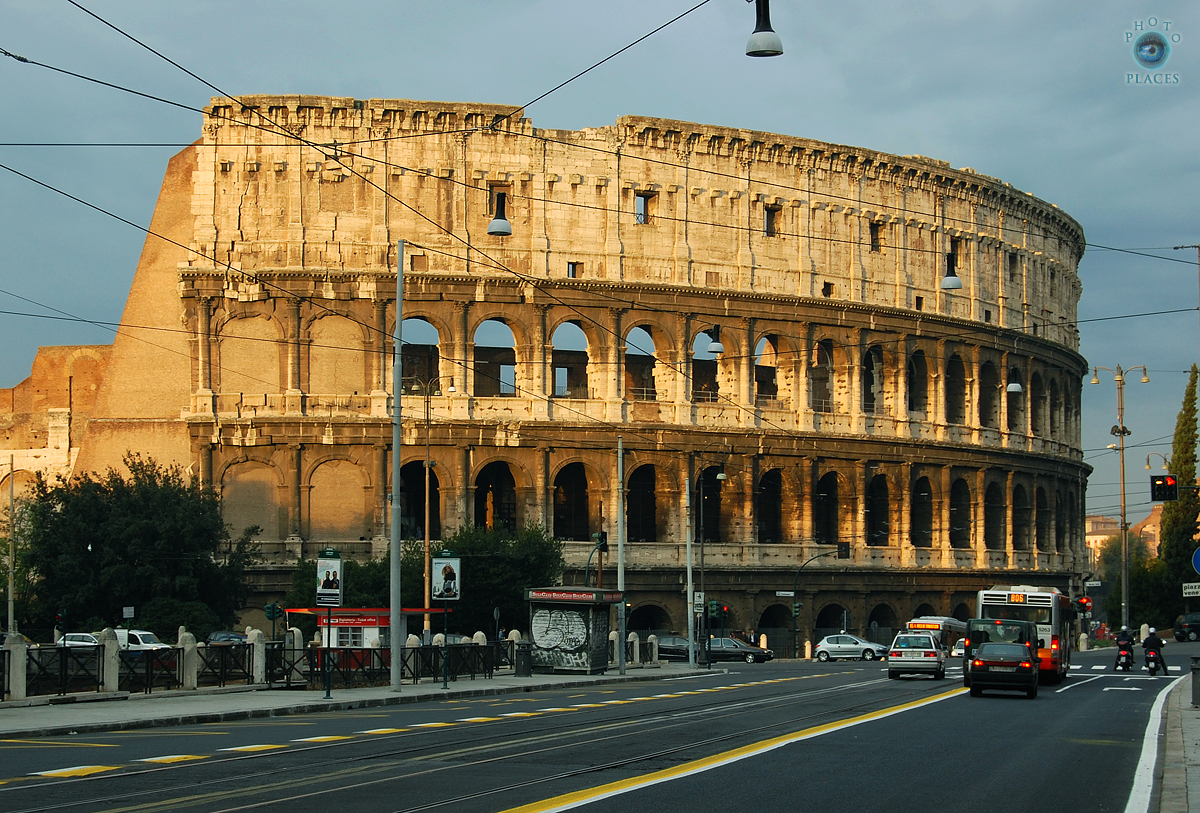
Largest amphiteatre in ancient world's history, and the largest still standing, as well as one of seven new wonders of the world, Colosseum is probably the most
MAIN FACTS
LOCATION Rome, Italy
ARCHITECTURE Ancient Roman, Tuscan, Ionic, Corinthian
BUILT 80 (AD)
ARCHITECT Unknown
AREA 2.4 ha
RATING (9,65/10)
recognizable symbol of Roman Empire and also a tourism symbol of modern Rome. 

Unlike Roman theatres that were built into hillsides, the Colosseum is an entirely free-standing structure. The Colosseum has suffered extensive damage over the centuries, with large segments having collapsed following earthquakes. The north side of the perimeter wall is still standing; the distinctive triangular brick wedges at each end are modern additions, having been constructed in the early 19th century to shore up the wall. The remainder of the present-day exterior of the Colosseum is in fact the original interior wall. 

The Colosseum's huge crowd capacity (50 000 - 80 000 people) made it essential that the venue could be filled or evacuated quickly. Its architects adopted solutions very similar to those used in modern stadia to deal with the same problem. The amphitheatre was ringed by eighty entrances at ground level, 76 of which were used by ordinary spectators. Each entrance and exit was numbered, as was each staircase. The northern main entrance was reserved for the Roman Emperor and his aides, whilst the other three axial entrances were most likely used by the elite. All four axial entrances were richly decorated with painted stucco reliefs, of which fragments survive. Many of the original outer entrances have disappeared with the collapse of the perimeter wall, but entrances XXIII (23) to LIIII (54) survive. 

The Colosseum was used to host gladiatorial shows as well as a variety of other events. The shows, called munera, were always given by private individuals rather than the state. They had a strong religious element but were also demonstrations of power and family prestige and were immensely popular. Another major attraction was the animal hunt, or venatio. This utilized a great variety of wild beasts, mainly imported from Africa and the Middle East, and included creatures such as rhinoceros, hippopotamuses, elephants, giraffes, aurochs, wisents, Barbary lions, panthers, leopards, bears, Caspian tigers, crocodiles and ostriches. Battles and hunts were often staged amid elaborate sets with movable trees and buildings. [Wikipedia]
BUY ROME COLOSSEUM FULL SIZE PHOTOS

Travel Guide with beautiful photos and exciting descriptions of the most amazing and unique places in Baltic states and Europe.
Schafberg mountain is one of (many) impressive panoramic view points in Austrian Alps. It offers great scenery on all sides which includes not only
MAIN FACTS
LOCATION Austria, Salzburg state
HEIGHT (ABSOLUTE) 1783 M
HEIGHT (RELATIVE) 1178 M
VIEW DISTANCE >40 KM
VIEW ANGLE ~360 DEGREES
RATING (9,87/10)
fellow summits but also lakes (Wolfgangsee), meadows, forests. Schafberg is famous also for it's restaurant/hotel house ("Schafberg Himmelspforte", "Hotel Schafbergspitze") which seemingly balances on the edge of the cliff. There is a steam train leading up to almost 2 km high mountain which is an attraction itself. Of course, the place is very popular, overcrowded, thus it's not of those vantage points where to look for solitude and peaceful, undisturbed calmness.

Travel Guide with beautiful photos and exciting descriptions of the most amazing and unique places in Baltic states and Europe.
Photo: Piotr Ruchwa, Flickr, CC BY-SA 2.0
Kościuszko Mound (Polish: kopiec Kościuszki) is an artificial mound in Kraków, Poland. It was erected by Cracovians in commemoration of the Polish national leader Tadeusz Kościuszko, and modelled after Kraków's prehistoric mounds of Krak and Wanda. A serpentine path leads to the top, approximately 326 metres (1,070 ft) above sea level, with a panoramic view of the Vistula River and the city. (Wikipedia, CC BY-SA 3.0) 

The mound is open from 09.00 - 19.00. Ticket price: ~5 EUR (24 zlots)